Column · @dallasctno294
How a Pizza Restaurant Makes Every Visit Feel Special
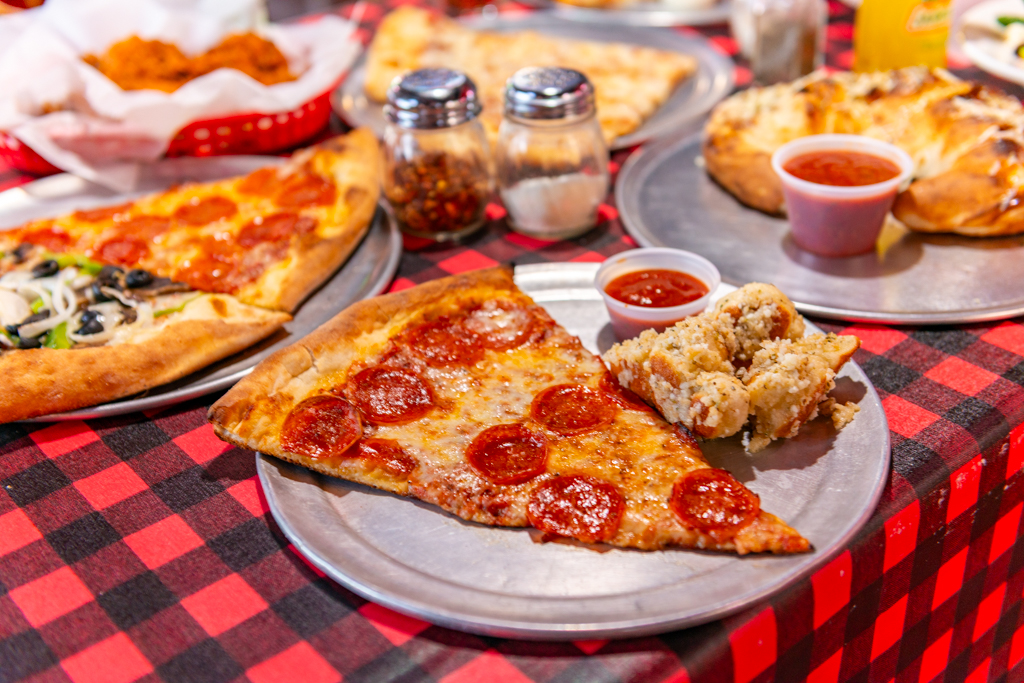


There is a reason people return to the same pizza restaurant even when another place is closer, cheaper, or louder on social media. Pizza is familiar food. Most towns have plenty of it. That means loyalty is rarely won by crust alone. It is earned through a hundred small decisions that shape how a guest feels from the moment they walk in to the moment they leave with a warm box under their arm.
Restaurants that make every visit feel special usually do not rely on grand gestures. They get the basics right with unusual consistency, then add moments of care that guests remember without quite realizing why. The host looks up immediately. The dining room smells like toasted dough and garlic instead of bleach. A server remembers that a family likes their pie well done. The kitchen paces the meal so the salad lands quickly and the pizza follows at the right moment, not twenty minutes later when the table has gone quiet.
From the outside, that can look effortless. Inside the operation, it is the result of design, discipline, and judgment.
It starts before the first bite
Most guests decide how they feel about a restaurant before they taste anything. In a pizza restaurant, that first impression forms fast because the category is so accessible. People know what pizza should feel like. They arrive with expectations about warmth, speed, energy, and comfort.
A special visit often begins with the room itself. Good pizza places understand that atmosphere is not decoration alone. The best ones create a sense of welcome through proportion and function. Lighting is bright enough to read the menu without turning the room clinical. The music supports the mood but does not force people to raise their voices. Chairs are sturdy, tables are level, and the walkway between booths is wide enough that a server can pass without bumping elbows.
Open kitchens can help, but only if they are clean and composed. Guests like seeing dough stretched, pizzas dressed, and flames doing their work. It signals freshness and craft. Still, visibility raises the standard. If the line is chaotic, if the pass is cluttered, if the pizza maker looks overwhelmed, guests absorb that tension. A visible kitchen should feel alive, not frantic.
Smell matters more than many operators admit. The scent of baking dough, tomatoes, char, basil, sausage, or roasted vegetables can trigger appetite in seconds. The problem is that restaurants cannot fake this. If the air is stale or heavy with fryer oil, people notice. Ventilation, oven placement, and cleaning routines all shape that sensory memory.
Even the entry matters. A well-run pizza restaurant gives guests a place to pause without blocking the door, especially on busy Friday nights. There is room for delivery drivers, takeout customers, and dine-in parties to coexist. That sounds mundane until you have watched a narrow front counter choke with third-party pickup orders while families stand awkwardly behind winter coats and high chairs. Special does not always mean fancy. Sometimes it means the room works.
Hospitality shows up in the details people almost miss
A guest may not remember every ingredient on a specialty pie, but they will remember how they were treated. Hospitality in a pizza restaurant is often casual, which makes it harder, not easier. Fine dining has formal cues. Neighborhood restaurants have to generate warmth without script or stiffness.
The best teams understand timing. A greeting within a minute feels attentive. Water on the table soon after seating feels reassuring. A server who gives guests a beat to settle before launching into specials shows social intelligence. This is where experience matters. Hospitality is not a sequence recited the same way at every table. It is reading the room.
A parent walking in with two tired children and a stroller needs speed and clarity. A couple on a date may want a slower pace. A regular who orders the same margherita and glass of Montepulciano every Thursday wants recognition without fuss. Special service adapts to each case without making it obvious.
There is also a kind of restraint that seasoned operators value. Not every table wants conversation. Not every issue needs a manager in a suit. Sometimes what makes a visit special is that the staff solves a problem quietly. A pizza comes out with the wrong topping, and a replacement is fired immediately while the server brings a small salad or garlic knots to bridge the gap. No theater, no defensiveness, no long explanation. Just competence.
That sort of service requires training, but not the robotic kind. Staff need product knowledge, yes, though guests care less about memorized descriptions than about useful guidance. A server should know which pies are heavy, which sauces run sweet, which toppings release water, and which half-and-half combinations actually bake well. If someone asks whether anchovies will overpower the olives and capers, the answer should come from real tasting experience.
The food has to feel dependable, not identical
Consistency is a misunderstood word in restaurants. It does not mean every pie is soullessly uniform. It means the guest trusts the kitchen. The crust will have the chew or crackle they came for. The sauce will taste balanced. The cheese will melt properly. The pie will arrive hot, cut cleanly, and built with restraint rather than excess.
That last point matters. Many pizza restaurants try to feel generous by piling on toppings. In practice, overloaded pizza often eats poorly. The center slumps, vegetables flood the surface, cured meats grease out, and the crust goes from crisp to floppy. Experienced pizza makers know that abundance and balance are not the same thing. A special pizza is not the one with the most on it. It is the one where each component can still be tasted.
Guests feel this even if they cannot articulate it. They come back because the pepperoni cups curl and char at the edges, because the mushrooms are roasted rather than steamed, because the basil is added at the right point so it perfumes rather than blackens. These are not luxuries. They are marks of care.
Dependability also means knowing where flexibility helps and where it hurts. Some modifications are easy. Extra basil, no olives, light cheese. Others can compromise the product. Gluten-free crusts may need separate handling. Vegan cheese may brown differently. A half pie with one side loaded and the other side bare can bake unevenly. Good pizza restaurants do not simply say yes to everything. They explain trade-offs honestly and guide guests toward the best result.
When that guidance is respectful, guests appreciate it. Nobody wants to pay for a custom pizza that the kitchen knew would fail from the start.
Memorable places understand their regulars
There is a level of recognition that makes people feel seen without feeling exposed. It is one of the strongest advantages an independent pizza restaurant has over a national chain. Technology can track past orders, but genuine familiarity still depends on people.
A manager who notices that a customer always calls on soccer practice nights and asks if they want the usual order at 6:15 is not just being efficient. They are reducing friction in a busy part of someone’s week. A server who remembers that a child at table seven likes a little dough ball to play with while waiting is creating a ritual. A bartender who pours the same local lager when a regular takes his seat has understood something simple and valuable: comfort is personal.
This is where many restaurant experiences become special. Not in surprises, but in continuity.
Families especially respond to this. Children often judge restaurants by whether they feel welcome rather than whether the food is excellent. If the staff knows to bring crayons quickly, to pace the meal for shorter attention spans, or to split a pizza in the kitchen because siblings will argue over slices, parents notice. They may not post about it online, but they remember.
At the same time, familiarity needs boundaries. Nobody wants forced intimacy. There is a difference between a warm “Good to see you again” and interrogating someone about their life. Skilled front-of-house teams know how to recognize patterns and preferences without overstepping. That judgment is a major part of the craft.
Special often means smoother, not fancier
Restaurants sometimes chase novelty when what guests really want is ease. A pizza restaurant that makes visits feel special is often one that removes small annoyances before they accumulate.
Here are a few examples that matter more than operators sometimes expect:
- Reservations or waitlists that work as promised, especially during weekend peaks.
- Menus that are easy to scan, with clear notes on sizes, crust styles, and allergens.
- Takeout packaging that keeps steam from ruining the crust on the ride home.
- Staff who can move a table along efficiently when needed without making guests feel rushed.
- Payment that is quick and accurate, whether at the table, counter, or phone.
None of these are glamorous, but each one protects the guest experience. A family that waits thirty extra minutes past a quoted time will not care that the imported burrata is excellent. A guest who gets home to a soggy pizza because the box had no ventilation holes will remember disappointment more vividly than flavor. A split check with errors at the end of a group meal can sour two hours of otherwise good service.
Smooth operations depend on invisible choices in labor, layout, and systems. The host stand needs accurate communication with the kitchen. The expo person needs authority to hold or release pies so they land together. Online ordering needs realistic prep times based on oven capacity, not wishful thinking. These are management disciplines, but guests feel them emotionally. They interpret competence as care.
Signature touches create identity
Not every pizza restaurant needs a gimmick. In fact, many of the worst ideas in hospitality come from trying too hard to be memorable. The strongest signature touches are usually rooted in the restaurant’s actual character.
A neighborhood spot with a wood-fired oven might serve a small plate of marinated olives while guests wait because the kitchen can execute it reliably and it fits the menu. A family-run place might frame old photos of the original shop and talk naturally about how the dough recipe changed over the years. A newer concept with a serious beverage program might offer a smart by-the-glass pairing for different pizza styles instead of treating drinks as an afterthought.
These touches work because they are coherent. They make the restaurant feel like itself.
Sometimes the most effective signature is restraint. A place that makes one extraordinary white pie and bakes it the same way every night with confidence can stand out more than a menu crammed with twenty novelty combinations. Guests respect a restaurant that knows its strengths.
There is also power in seasonal variation, provided the core menu remains stable. Regulars want their favorites, but they also enjoy signs that the kitchen is paying attention to the time of year. Late summer tomatoes, spring peas, autumn squash, winter greens, spicy soppressata with hot honey when the weather turns cold. These changes keep the restaurant alive without asking loyal guests to relearn the menu from scratch.
One practical rule I have seen work well is to anchor the menu with dependable classics and rotate only a small part of the offering. That protects both food cost and guest trust.
Handling mistakes is where good restaurants separate themselves
Every restaurant makes mistakes. The difference between an average visit and a special one often lies in how those mistakes are handled.
Pizza seems simple, but it is vulnerable to timing problems. Ovens run hot or cool. Dough ferments differently with changes in weather. A rush can overload the line. A ticket can be entered incorrectly. A guest can misunderstand the size or style of pie they ordered. None of this is unusual. What matters is the response.
A strong pizza restaurant trains for recovery. If a pie is overfired, the kitchen remakes it without debate. If service is delayed, someone acknowledges it before the guest has to ask. If a delivery order is wrong, the team fixes the issue in a way that respects the customer’s evening, not just the restaurant’s policy.
There is an important nuance here. Comping everything is not the same as great service. Blanket giveaways can feel impersonal and unsustainable. Often the better approach is situational. Maybe the right move is to prioritize the remake and add dessert for the table. Maybe it is to refund https://maps.app.goo.gl/SoMmTRckHNs73H2Y7 a specific item and send a sincere note with the corrected order. Maybe it is for the manager to stop by briefly, own the error, and then let the meal continue.
Guests are usually fair if they believe the restaurant is being fair back. What they dislike is deflection. “That is just how our style is” is a poor answer to a clearly underbaked center. So is silence after a long delay. Candor, speed, and respect go a long way.
The team behind the counter sets the tone
It is impossible to fake a special atmosphere with a miserable staff. Guests can feel when a team works well together, and they can feel when people are sniping, scrambling, or burning out.
Pizza restaurants are physically demanding. Dough prep starts early. Oven stations get brutally hot. Weekend volume can be relentless. Delivery coordination adds another layer of pressure. If ownership wants every visit to feel special, they need to build conditions where staff can succeed. That means sane scheduling, solid training, clear standards, and enough labor on the floor when demand spikes.
Retention matters more than many operators realize. The pizza maker who has shaped thousands of skins understands the dough by touch. The server who has worked every school fundraiser and Saturday rush knows how to pace a packed room. The cashier who remembers local names and pickup habits turns transactional interactions into friendly ones. Experience accumulates in ways guests may never name, but always benefit from.
This is also why culture shows up in the guest experience. Restaurants where staff meal is respected, prep is organized, and communication is direct tend to produce calmer service. Restaurants that run on panic and improvisation may survive the night, but they rarely feel special to the people in the dining room.
Value is emotional as much as financial
Guests do not need a pizza restaurant to be cheap. They need it to feel worth it.
That sense of value comes from alignment. If prices are moderate, guests expect generosity, speed, and reliable comfort. If prices are premium, they expect higher-grade ingredients, more polished service, and a room that justifies a longer stay. Trouble starts when the signals conflict. Expensive pies served on wobbly tables with inattentive service feel off. Bargain prices paired with tiny portions or stingy toppings feel equally wrong.
The restaurants that earn repeat business understand their lane and execute within it. A busy neighborhood place can make people feel special through friendliness, hot food, and smooth takeout. A more refined pizza restaurant can do it through careful sourcing, a thoughtful wine list, and deeply trained staff. There is no single formula. There does need to be integrity between promise and delivery.
This is particularly important with extras. Salads, desserts, beer, wine, and nonalcoholic drinks often shape a guest’s sense of whether the meal felt complete. A pizza place that neglects these categories leaves money on the table and weakens the experience. On the other hand, a modest but well-chosen dessert, maybe an affogato, a seasonal gelato, or a good tiramisu, can turn a casual dinner into something people talk about afterward.
Why people come back
Ask guests why they love a certain pizza restaurant and many will talk about the food first. Give the conversation another minute and deeper reasons emerge. They like how easy it is to bring the kids. They like that the staff never makes them feel rushed. They like that the crust tastes the same on a Tuesday as it does on a Saturday. They like that somebody remembers their order. They like that the room feels alive but not chaotic. They like that even when something goes wrong, it gets fixed without fuss.
That is what special looks like in practice. Not perfection. Not spectacle. A sequence of well-made choices that add up to trust, comfort, and pleasure.
For operators, this can be encouraging. Creating a memorable experience does not always require a renovation, a celebrity chef, or an elaborate concept. Often it requires sharper attention to the moments guests actually live through. The greeting. The wait. The menu. The pace. The bake. The recovery. The farewell.
Pizza has always been communal food. It lands in the center of the table and invites people to share. The restaurants that honor that spirit, with discipline as much as warmth, are the ones people fold into their lives. Over time, they become more than a place to eat. They become part of the rhythm of a neighborhood, a family, a week.
That is why some restaurants stay busy for years while others chase novelty and fade. One sells pizza. The other makes people feel that their presence matters, every single time.
RUFFRANO'S HELL'S KITCHEN PIZZA Security
385 Main St, Colorado Springs, CO 80911
(719) 390-4355
FAQ About pizza restaurant
Is there a Hell's Kitchen pizza restaurant in Security-Widefield?
Yes. Ruffrano's Hell's Kitchen Pizza has a Security-Widefield location at 385 Main St.
Where can I find pizza delivery in Security-Widefield?
Ruffrano's Security location offers online ordering. Enter your address at checkout to check delivery availability and fees.
Where can I find gluten-free pizza in Security-Widefield?
Ruffrano's menu lists a 12-inch gluten-free option. Call the Security location to confirm availability and ask about shared equipment if cross-contact is a concern.